
Before accepting a custom blinds quote in Thomastown, check the window measurements, fabric specifications, operating mechanisms, installation costs, Australian-made product claims, child safety provisions and warranty coverage. Compare quotations based on equivalent products and total installation costs rather than the initial price alone.
Choosing new blinds seems straightforward until you receive several quotes with different prices, inclusions and product recommendations. Worst of all, many homeowners make the mistake of accepting the cheapest option without checking what they are actually paying for.
But did you know that understanding how to compare quotations can help you avoid unnecessary expenses and disappointing results when it comes to choosing the right type of blinds in Thomastown? This guide explains seven essential checks, highlights commonly overlooked costs and provides a practical example to help you make a confident purchasing decision.
What Should a Custom Blinds Quote Include?
A custom blinds quote should clearly identify the products being supplied, their specifications, window dimensions, installation requirements and final payable price. It should also explain warranty coverage, payment terms and any exclusions.
A comprehensive quotation should include:
- Individual window measurements and quantities.
- Blind types, fabrics and colours.
- Operating mechanisms and mounting arrangements.
- Delivery, installation and applicable safety fittings.
- Total pricing, including GST.
- Warranty conditions and estimated installation timeframes.
Having these details in writing makes it easier to compare suppliers and reduces the likelihood of misunderstandings after placing your order.
Why Do Custom Blind Quotes Differ in Price?
Two quotations for similar-looking blinds can vary considerably because of differences in materials, dimensions, mechanisms and installation requirements. Consequently, a lower price does not necessarily indicate better value.
For example, a premium blockout fabric may cost more than a standard fabric, while installations involving difficult access or unusual window frames may require additional preparation.
Furthermore, some quotations include installation and delivery, whereas others list these as separate charges. Understanding these differences is essential before comparing the final figures.
7 Things to Check Before You Buy Blinds in Melbourne
1. Confirm Accurate Window Measurements
Check that the quotation lists the measurements and mounting arrangements for every window. Accurate measurements help ensure your custom blinds fit correctly, operate smoothly and provide the intended level of privacy and light control.
Even windows that appear identical can have slightly different dimensions. This is particularly relevant when upgrading older Melbourne homes, where window frames may be uneven or have limited mounting space.
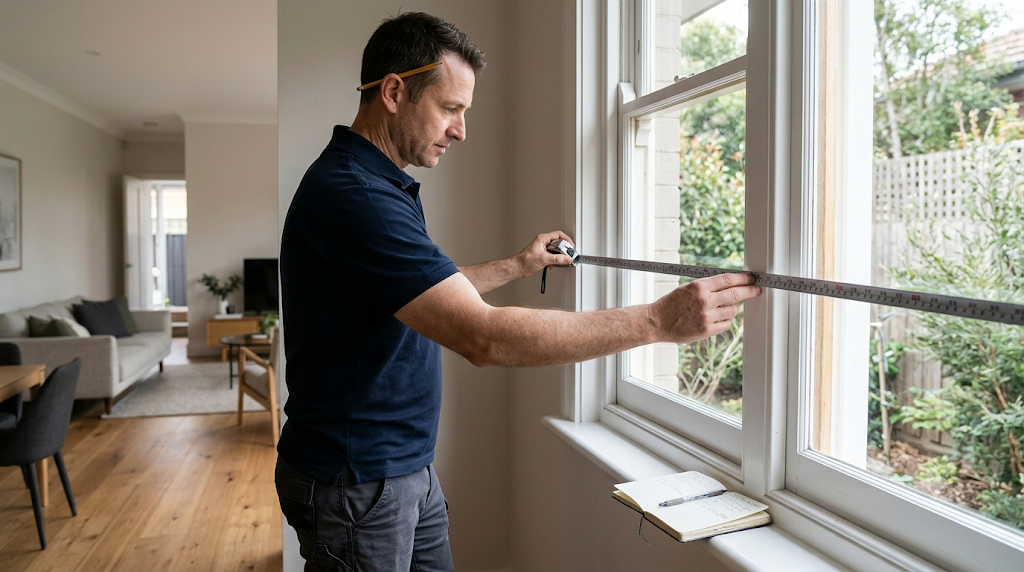
Ask the supplier to confirm:
- The width and height of each window.
- Whether the blinds will be recess-mounted or face-mounted.
- Clearance around handles, locks and window openings.
- Who is responsible for measurement accuracy.
If the quotation contains only a total number of blinds without individual measurements, request a detailed window schedule before approving it.
2. Check the Fabric Type and Quality
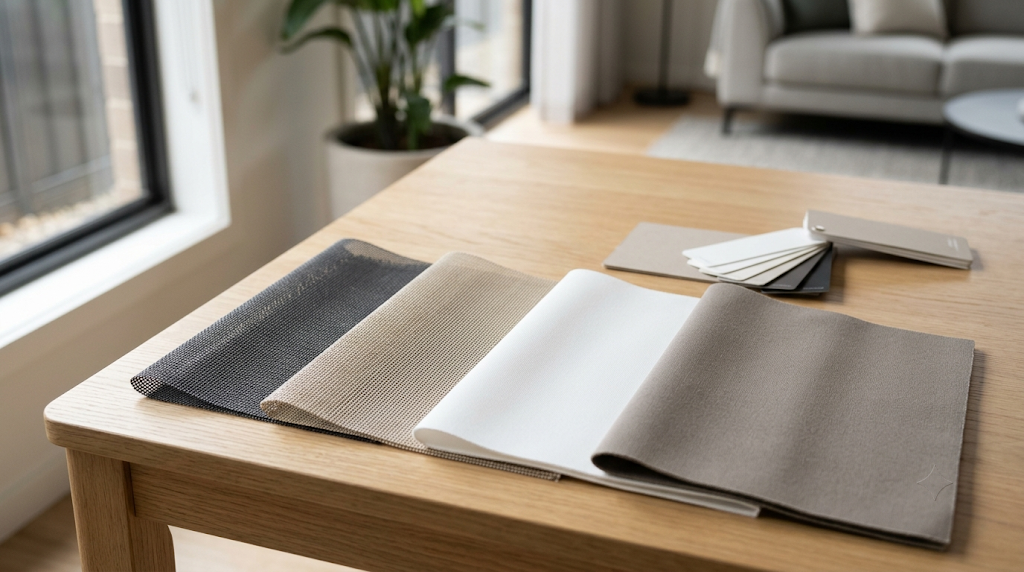
Confirm the fabric name, colour, opacity, maintenance requirements and suitability for each room. Choosing the correct fabric is important because different materials provide different levels of privacy, daylight control and durability.
For instance, custom blockout blinds may suit bedrooms where darkness and evening privacy are important. Meanwhile, screen blinds allow filtered daylight into living areas while helping reduce glare.
However, screen fabrics generally provide less privacy at night when indoor lights are switched on. Similarly, blockout fabric does not guarantee complete darkness if light enters around the edges.
Consider the direction your windows face, particularly those exposed to strong afternoon sunlight during Melbourne’s warmer months.
If fabric specifications are missing, request labelled samples and written product information before making your selection.
3. Compare the Operating Mechanisms and Fittings
Check which operating mechanism, brackets and mounting components are included with your blinds. These components influence everyday usability, reliability and maintenance requirements.
Although two blinds may use similar fabrics, differences in their fittings can affect how smoothly they operate. Larger blinds may also require components specifically suited to their dimensions and weight.
Ask the supplier about:
- Manual or motorised operation, where available.
- Bracket and mounting suitability.
- Access to frequently opened windows.
- Replacement parts and servicing arrangements.
If motorisation is included, establish whether controls, charging equipment or electrical work are covered by the quotation.
When these details are unclear, ask the supplier to identify the exact operating system being provided rather than approving an unspecified upgrade.
4. Confirm Delivery and Installation Costs
Check whether the quoted price covers professional measuring, delivery, installation, removal of existing blinds and GST. A quotation that appears inexpensive initially may become more costly once excluded services are added.
Installation conditions vary between Melbourne properties. High windows, tiled surfaces, plasterboard walls and unusual frames can all affect the fittings, access requirements or labour involved.
If you are considering custom outdoor blinds, discuss exposure to wind, suitable mounting surfaces and any applicable property approval requirements.
Before accepting the quote, establish whether extra charges may arise for difficult access, disposal or additional installation work.
If exclusions are not clearly stated, request a revised quotation showing the total supplied-and-installed price.
5. Check Australian-Made Product Claims
Verify which products are Australian-made and what the claim covers. Manufacturing location, fabric origin and component sourcing may differ, even when products are supplied by the same retailer.
Homeowners shopping for blinds in Melbourne, Australia, may prefer locally manufactured options because of factors such as communication, customisation and potential access to replacement components.
Nevertheless, Australian-made status alone does not establish that a particular blind will perform better. Fabric suitability, construction quality and written warranty conditions remain important.
Ask whether the finished product is manufactured locally and whether supporting product information is available.
If a supplier cannot clarify the origin of a product, assess it using its documented specifications rather than relying solely on promotional descriptions.
6. Confirm Child Safety Requirements
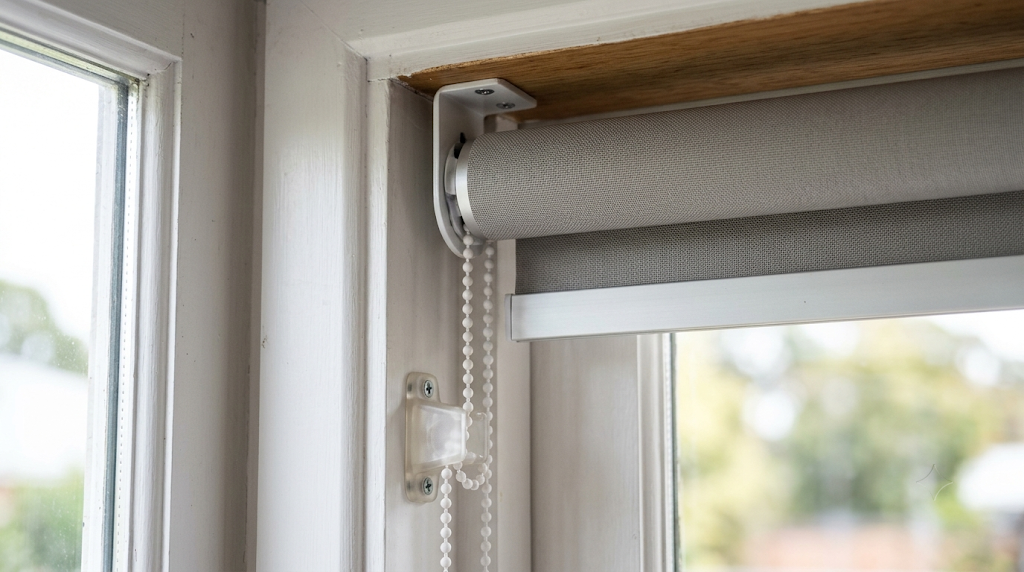
Check that relevant corded blinds include appropriate safety components and compliant installation arrangements. Loose blind cords and chains can present a serious strangulation hazard, particularly around young children.
Consider furniture placement, accessible windows and children’s bedrooms when assessing proposed blind installations. A safe arrangement should not depend solely on keeping children away from the window.
For further information, consult the Australian Government’s blind and curtain safety guide, which explains the risks associated with unsecured cords and the applicable safety requirements.
If your quote does not address cord safety, request clarification before proceeding. Where appropriate, discuss alternative operating systems that avoid accessible cords.
7. Understand the Warranty and After-Sales Support
Request written warranty terms covering the fabrics, operating mechanisms, fittings and installation workmanship. A long warranty period is only useful when you understand what is covered and how a claim can be made.
For example, product warranties may contain exclusions relating to misuse, unsuitable cleaning methods, environmental exposure or normal wear.
Before accepting a quote, establish:
- The warranty period for each product or component.
- Whether installation workmanship has separate coverage.
- Whether replacement parts, labour or service visits are included.
- How warranty claims are submitted.
Remember that voluntary warranties do not replace your rights under Australian Consumer Law.
If the supplier provides only a general warranty statement, request the complete written conditions before paying a deposit.
Comparing Plantation Shutters and Blinds in Melbourne
When comparing plantation shutters and blinds in Melbourne, consider how each product will meet your everyday requirements rather than focusing exclusively on appearance.
| Product | Suitable application | Main consideration |
| Blockout blinds | Bedrooms and media rooms | Light gaps around the edges |
| Screen blinds | Living areas and home offices | Reduced night-time privacy |
| Plantation shutters | Front-facing windows and living rooms | Material, fitting and initial investment |
| Outdoor blinds | Patios and alfresco areas | Wind exposure and mounting conditions |
Different rooms may benefit from different products. Choosing a combination based on individual requirements can be more practical than installing the same window furnishing throughout your home.
A Worked Example of Two Custom Blind Quotes
Imagine a Thomastown homeowner receives two quotations for eight custom blinds with equivalent dimensions, fabrics and manual operating mechanisms.
The following figures are hypothetical and demonstrate how additional charges can affect the final price.
| Quotation component | Quote A | Quote B |
| Eight custom blinds | $1,600 | $1,920 |
| Professional measuring | Included | Included |
| Installation | $320 | Included |
| Existing blind removal | $120 | Included |
| Delivery | $80 | Included |
| Total including GST | $2,120 | $1,920 |
Although Quote A has a lower initial product price, Quote B is $200 cheaper once all specified costs are included.
However, the homeowner should still confirm that the product specifications, installation quality and warranty terms are equivalent.
This example illustrates why comparing the final payable amount is more useful than simply comparing advertised product prices. It does not represent actual supplier pricing or average installation costs.
Custom Blinds Quote Checklist
Before approving your quotation, make sure you can tick every relevant item below:
- Individual window measurements confirmed.
- Fabric names, colours and specifications recorded.
- Operating mechanisms and brackets identified.
- Delivery, installation and removal costs clarified.
- Australian-made product claims explained.
- Applicable child safety fittings included.
- Written warranty conditions supplied.
- Final price, payment terms and lead times confirmed.
Keep a copy of the approved quotation and product specifications for future reference.
How to Find the Best Blinds in Melbourne for Your Budget
Finding the best blinds in Melbourne does not necessarily mean purchasing the most expensive products. Instead, prioritise the features that provide the greatest practical benefit for each room.
For example, invest in appropriate light-blocking options for bedrooms and consider screen fabrics for living areas where natural daylight is desirable. Additional sheer curtains may also complement suitable blinds when a softer interior appearance is preferred.
By comparing comparable quotations and allocating your budget according to room requirements, you can make a more informed decision without paying for unnecessary features.
Frequently Asked Questions
What should a custom blinds quote include?
A custom blinds quote should include window measurements, product and fabric specifications, operating mechanisms, installation costs, applicable safety fittings, GST, warranty conditions and any additional charges or exclusions.
Why are some custom blinds quotes cheaper than others?
Prices can differ because of fabric quality, window dimensions, operating mechanisms, installation requirements and warranty coverage. Compare equivalent specifications and the total installed price to determine which quotation offers better value.
Is installation included when you buy custom blinds?
Installation may be included in the quoted price or charged separately, depending on the supplier. Always request written confirmation of the total supplied-and-installed price before accepting a quotation.
Are custom-made blinds worth the extra cost?
Custom-made blinds can be worthwhile when accurate fitting, greater fabric choice, privacy and professional installation are important. Ready-made blinds may be suitable for standard-sized windows and tighter budgets.
Can I negotiate a custom blinds quote?
You can ask whether alternative fabrics, operating mechanisms, product combinations or current offers could reduce the total cost. However, avoid compromising fitting quality, required safety components or suitable product performance to save money.
How many quotes should I get for custom blinds?
Obtaining two or three comparable quotations is a practical way to assess pricing, product quality and installation inclusions. Make sure each supplier is quoting for equivalent windows, specifications and requirements.
What warranty should I look for when buying blinds?
Look for clear written warranty conditions covering fabrics, mechanisms, fittings and installation workmanship. Confirm the duration, exclusions, claim process and whether replacement parts or labour charges are covered.
Request a Detailed Quote from Wyndham Blinds
Choosing custom blinds becomes easier when you understand what each quotation includes and how the products will suit your home.
Wyndham Blinds, based in Hoppers Crossing and servicing Melbourne, offers custom window furnishings, experienced product advice and a free measure and quote service.
So, if you are planning to upgrade your Thomastown home’s window furnishings, you may request a free measure and quote to discuss your requirements and explore suitable options before making a decision.